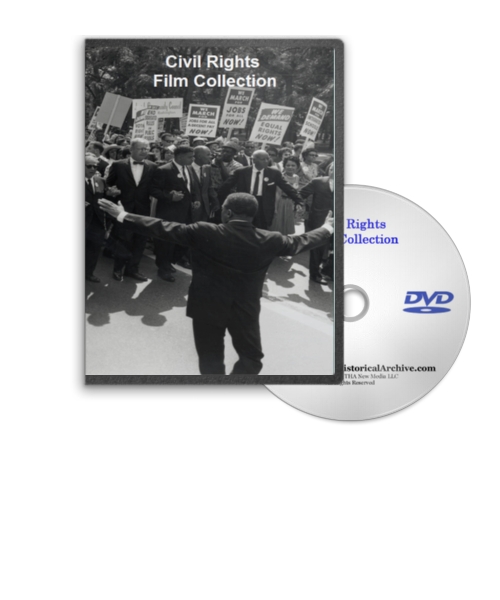
The civil rights movement has been a long and challenging endeavor by many committed people intent on changing society so that it is more fair for all people - not just a select few. At times it was a peaceful progression and at other times it was a violent progression. This collection of films examines various moments in the civil rights movement and showcases many important people in the movement.
The civil rights movement has been a long and challenging endeavor by many committed people intent on changing society so that it is more fair for all people - not just a select few. At times it was a peaceful progression and at other times it was a violent progression. This collection of films examines various moments in the civil rights movement and showcases many important people in the movement.
Here are the contents of each of the films in the black history and civil rights history film collection:
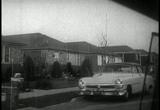
All the Way Home (1957)
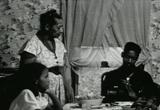
This film shows how a racially integrated community can work successfully with the people living in harmony with each other - regardless of color. It also exposes the fallacy that certain types of people can bring down the property values in a neighborhood. Production Company: Dynamic Films, Inc. |
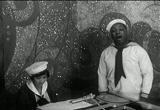
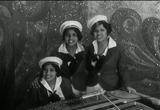
Harlem Review
This is a classic 1930s era soundie performed by an all black group of entertainers. The combination of skits demonstrates all the negative stereotypes that later civil rights leaders would fight so hard to abolish. |
Henry Browne, Farmer (1942)
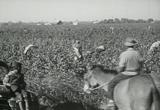
This film follows the daily life of a patriotic African American farmer from Georgia during World War II. It shows typical family life on the farm and explains how his daily efforts are an important part of the war effort. Producer: U.S. Department of Agriculture |
Integration Report (1960)
This is a documentary showing the state of the civil rights movement in 1959 and 1960. It shows a variety of sit-ins, marches, boycotts and rallies in Washington, D.C., Montgomery, AL and Brooklyn, NY. Producer: Andover Productions |
Negro Colleges in Wartime (1944)
This film highlights colleges during wartime that accepted and educated African Americans. Its focus is on how they were educated so that they could do their part to help the war effort during WWII. Producer: U.S. Office of War Information, Bureau of Motion Pictures |
Palmour Street (1957)
This film follows everyday life in Gainesville, GA, an African American community in the late 50s. Producer: Southern Educational Film Production Service |
The Plantation System in Southern Life (1950)
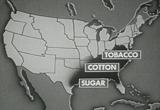
This film shows how the plantation system developed in the Southern United States and its effect on its culture and development. Producer: Coronet Instructional Films |
Teddy (1971)
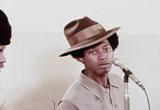
This film follows the activities of a teen African American who shares his views of the "System", the Watts community of Los Angeles, the Black Panters and the police. The film stresses how important it is to be true to yourself and to not be a follower. Producer: University of California at Los Angeles, Extension Media Center |
We Work Again (1930s)
This film explores how the New Deal helped African Americans during the Depression. Producer: Pathe News (?) |