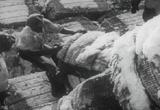
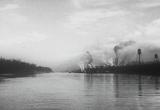
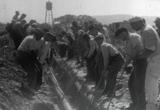
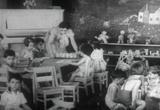
The New Deal and WPA were brought about to help America during the depression by doing BIG projects that hired many people and gave lasting value to America for generations. The WPA was certainly the largest work related component of the new deal. In fact, it hired millions of out of work people - more than 8.5 million. About 75 percent of employment and 75 percent of WPA expenditures went to public facilities such as highways, streets, public buildings, airports, utilities, small dams, sewers, parks, libraries, and recreational fields. The WPA built 650,000 miles of roads, 78,000 bridges, 125,000 buildings, and 700 miles of airport runways. Seven percent of the budget was allocated to arts projects, presenting 225,000 concerts to audiences totaling 150 million, and producing almost 475,000 artworks.
The New Deal and WPA were brought about to help America during the depression by doing BIG projects that hired many people and gave lasting value to America for generations. The WPA was certainly the largest work related component of the new deal. In fact, it hired millions of out of work people - more than 8.5 million. About 75 percent of employment and 75 percent of WPA expenditures went to public facilities such as highways, streets, public buildings, airports, utilities, small dams, sewers, parks, libraries, and recreational fields. The WPA built 650,000 miles of roads, 78,000 bridges, 125,000 buildings, and 700 miles of airport runways. Seven percent of the budget was allocated to arts projects, presenting 225,000 concerts to audiences totaling 150 million, and producing almost 475,000 artworks.
These programs were a great boon to the unemployed of the United States at the time. It gave people meaningful work at prevailing wages and helped build infrastructure in the U.S. that is still in use today. The seven films that make up this collection explore the work efforts and the societal effect of this program as it was viewed while the program was still in existence.
Here are the contents of each of the films in the WPA & New Deal history film collection:
Better Housing News Flashes (No. 7) (1935)
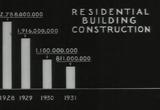
This brief film explores the benefits of the National Housing act for hombuilders, home remodelers and future homeowners. Producer: Pathe News |
Man Against the River (1937)
This film describes how members of the Works Projects Administration (WPA) were used to help the refugees of a bad winter flood of the Ohio River. Producer: Pathe News, Inc. |
National Recovery Administration (NRA) Promo (1933)
A promotional film for the New Deal NRA (National Recovery Administration) program. Producer: Metro-Goldwyn-Mayer |
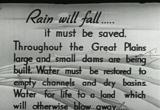
Rain for the Earth (1937)
This film discussed the severe drought happening in the Dust Bowl and explores ways to combat it and make it a productive area again. Producer: U.S. Federal Works Agency, Work Projects Administration |
The River (1937)
This documentary explores the was the Mississippi River Valley was exploited for decades and shows the steps and work being done to rehabilitate the area and make it clean, fertile and productive again. Producer: U.S. Department of Agriculture, Resettlement Administration |
Work Pays America (1937)
This excellent overview of the WPA shows how the public works projects it is performing benefit both the unemployed workers and American society as a whole. Producer: U.S. Work Projects Administration |
Your Social Security (1940s)
An explanation of how the Social Security system is set up to work in the early 1940s. It makes an interesting contrast to the greatly expanded and enlarged social program that is has grown into through modern government social manipulations. Producer: Warner News Inc. |